
The Best Flowers for Winter: Blooms That Thrive in Cold Weather
Discover the best flowers for winter that thrive in cold weather, last longer indoors, and bring beauty to winter arrangements.
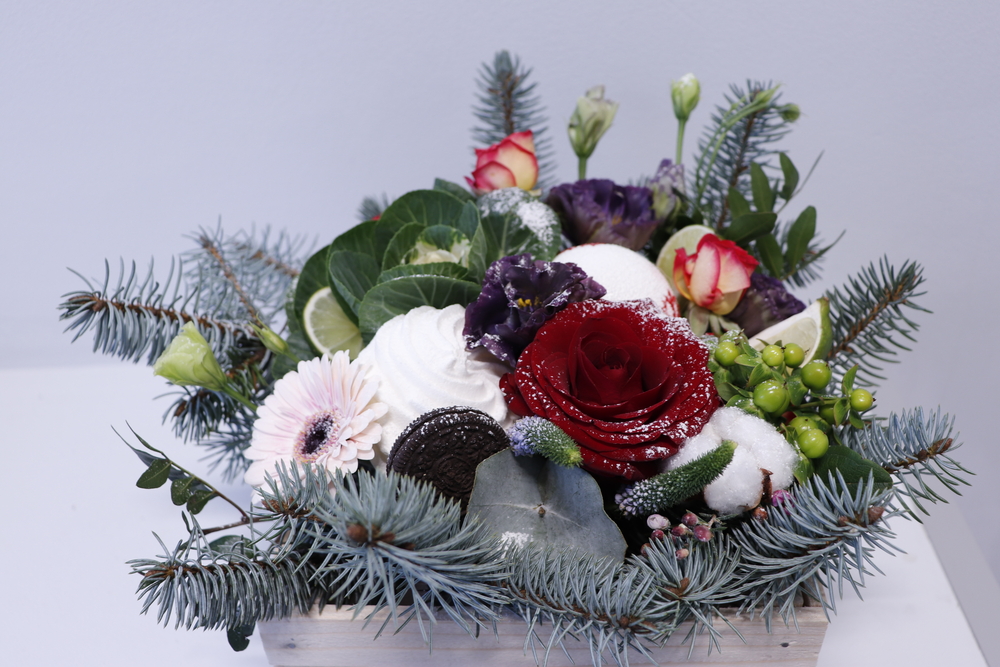
Winter has a reputation for being dull and colorless, especially when it comes to flowers. Many people assume that once the temperatures drop, beautiful blooms are no longer an option. The truth is, winter can be one of the most surprising and rewarding seasons for florals. When you know what to choose, the best flowers for winter can be just as vibrant, long-lasting, and visually striking as anything you see in spring or summer.
From holiday arrangements and winter weddings to everyday home décor, the best flowers for winter are designed to handle cooler temperatures and shorter days. They hold their shape well, last longer indoors, and often feel more elegant and intentional than warm-weather blooms. Winter florals also bring comfort and beauty into spaces when it is needed most.
If you are wondering which flowers truly shine during the colder months, this guide will walk you through the best flowers for winter and explain why cold weather can actually work in your favor.
Why Winter Is a Great Season for Flowers
Winter may not seem like an obvious choice for fresh florals, but it offers several advantages that often go overlooked. In fact, many of the best flowers for winter thrive specifically because of the cooler environment.
Lower temperatures help slow the blooming process, which means winter flowers tend to last longer once they are cut and arranged. This is one reason the best flowers for winter are often used for events, gifting, and indoor arrangements that need to stay fresh for several days.
Winter is also a season with fewer pests and less humidity, both of which can shorten the life of flowers during warmer months. The best flowers for winter benefit from these conditions, holding their structure and color beautifully indoors.
Another reason winter works so well for florals is the aesthetic. Winter flowers often feature rich tones, soft neutrals, layered petals, and textured greenery. These qualities make the best flowers for winter feel refined and calm rather than overly bright or busy. They pair naturally with candlelight, cozy interiors, and seasonal décor.
Most importantly, winter encourages thoughtful choices. Instead of overwhelming arrangements, winter florals focus on quality, texture, and balance. When you choose the best flowers for winter, you are not settling for less. You are choosing blooms that are meant to shine in this season.
The Best Flowers for Winter Arrangements
When it comes to cold weather florals, some blooms simply perform better than others. These flowers are known for their durability, beauty, and ability to thrive in cooler conditions, which is exactly why they are considered the best flowers for winter.
Roses are one of the most reliable winter flowers available. They are grown year round and actually benefit from cooler indoor temperatures, which helps them last longer. In winter arrangements, roses feel classic and refined, especially in shades like white, cream, blush, and deep red. Their versatility makes them a foundation of many winter designs.
Carnations are another standout and are often underestimated. They are incredibly hardy, affordable, and long lasting, which makes them one of the best flowers for winter arrangements that need to hold up over time. Their ruffled petals add texture, and they are available in a wide range of winter friendly colors.
Ranunculus are loved for their layered petals and soft, romantic appearance. They thrive in cooler weather and are often at their best during winter months. Because of their texture and movement, ranunculus are frequently included among the best flowers for winter weddings and seasonal bouquets.
Orchids round out the list of best flowers for winter, especially for indoor spaces. They prefer stable, cooler environments and add an elegant, modern feel to winter arrangements. Orchids are ideal for gifting and home décor when you want something refined and long lasting.
Winter Greenery and Foliage That Last
Flowers may be the stars, but greenery is what gives winter arrangements their depth and staying power. Many types of foliage actually thrive in cold conditions, which makes them essential when working with the best flowers for winter.
Pine and cedar are classic winter greens. They bring fragrance, texture, and structure to arrangements while holding up well in cooler environments. These evergreens instantly create a winter feel and pair beautifully with both neutral and bold blooms.
Eucalyptus is another favorite for winter designs. Its soft color and natural movement add balance to fuller flowers. Eucalyptus also lasts well indoors and helps extend the life of winter arrangements.
Olive branches offer a softer, more organic look and work especially well in modern or minimalist winter designs. Their muted tone blends easily with the best flowers for winter without overpowering them.
Winter berries add subtle pops of color and seasonal texture. When used sparingly, they enhance arrangements and make winter florals feel intentional and complete.
Greenery does more than fill space. It anchors winter designs and helps the best flowers for winter look cohesive, natural, and long lasting. When combined thoughtfully, blooms and foliage create arrangements that feel warm and full of life even in the coldest months.
Best Flowers for Winter Events and Gifting
Winter is full of moments that call for flowers. Holidays, weddings, memorials, thank-you gifts, and simple gestures of care all happen during the colder months. Choosing the best flowers for winter ensures those arrangements look beautiful and last longer, even when temperatures drop.
For holiday celebrations, winter flowers help set the mood. Roses, amaryllis, ranunculus, and seasonal greenery feel festive without being overwhelming. These blooms hold up well indoors and pair naturally with winter décor like candles, evergreen accents, and soft lighting. This is why the best flowers for winter are often featured in Christmas, Hanukkah, and New Year arrangements.
Winter weddings also rely heavily on flowers that can handle cooler conditions. Brides and planners often choose the best flowers for winter weddings because they stay fresh through long indoor ceremonies and receptions. Flowers like anemones, roses, orchids, and carnations photograph beautifully and maintain their shape throughout the day.
For sympathy and remembrance, winter flowers offer a sense of calm and comfort. Soft whites, creams, and muted greenery feel appropriate and gentle. The best flowers for winter arrangements in these settings are those that communicate warmth and care without feeling too bright or seasonal.
Everyday winter gifting is another area where the right flowers matter. A thoughtful bouquet in the middle of winter can brighten a home instantly. Because the best flowers for winter last longer, they allow the recipient to enjoy that beauty for days, sometimes even weeks.
Indoor vs Outdoor Winter Flowers
Not all winter flowers are meant for the same environments. Understanding the difference between indoor and outdoor winter flowers helps you choose the best flowers for winter based on where they will be displayed.
Indoor winter flowers thrive in stable, cool environments. Roses, orchids, carnations, ranunculus, and amaryllis all perform well indoors during winter. These flowers benefit from cooler room temperatures and lower humidity, which helps them last longer. When used inside, the best flowers for winter often outlast blooms from warmer seasons.
Outdoor winter flowers are more limited, especially in colder climates. Hardy plants like hellebores, winter pansies, and certain evergreen elements can survive outdoors, but most floral arrangements are best kept inside during winter months. Cut flowers are particularly sensitive to freezing temperatures and should not be left outside for extended periods.
When planning winter events or gifting, it is usually safest to focus on indoor-friendly arrangements. This allows the best flowers for winter to maintain their color, structure, and longevity without exposure to harsh conditions.
By matching the flowers to the environment, you make the most of winter’s unique advantages and ensure your arrangements stay beautiful as long as possible.
How to Care for Winter Flowers
Winter flowers are naturally resilient, but a little care helps them look their best for as long as possible. Because the best flowers for winter thrive in cooler conditions, they often last longer than summer blooms when treated properly.
Start by trimming the stems at a slight angle before placing them in water. This helps the flowers absorb water more easily. Fresh water every one to two days is important, especially in winter when indoor heating can dry the air.
Placement matters more than people realize. Keep winter flowers away from direct heat sources like radiators, fireplaces, ovens, or sunny windows. Cooler rooms help the best flowers for winter maintain their shape and color longer.
If your arrangement includes greenery, misting it lightly can help keep foliage fresh. Removing any wilting blooms as soon as they appear also prevents bacteria from spreading and helps the rest of the flowers stay healthy.
Because winter air is often drier, flowers may drink water more quickly than expected. Checking water levels daily ensures the best flowers for winter stay hydrated and vibrant.
Conclusion: Embracing the Beauty of Winter Flowers
Winter does not have to be a quiet season for florals. In fact, it is one of the most rewarding times to enjoy fresh blooms. When you choose the best flowers for winter, you are choosing flowers that are meant to thrive in cooler temperatures, last longer indoors, and bring warmth to the coldest months of the year.
From roses and ranunculus to amaryllis, anemones, and seasonal greenery, winter flowers offer texture, elegance, and depth that feel especially meaningful during this season. Whether you are decorating your home, planning an event, or sending a thoughtful gift, the best flowers for winter deliver beauty and comfort when it matters most.
By understanding which blooms perform well and how to care for them, winter flowers become something to look forward to rather than avoid. With the right choices, winter can be one of the most beautiful floral seasons of all.