
Spring Is Coming: The First Flowers of the Season to Watch For
Discover the first spring flowers to bloom and what to expect this season with tips from a trusted Philadelphia florist.
There’s a certain kind of morning that tells you spring is close, even before the calendar catches up. The air softens a little. The light changes. Winter still lingers, but something feels different, almost like the season is loosening its grip one quiet inch at a time.
And then the flowers show up.
Not all at once, of course. The first spring flowers usually arrive in small, almost stubborn ways. A patch of color near a sidewalk. A bloom pushing through cold soil when everything else still looks half asleep. It’s one of those things people notice without meaning to. After months of gray skies and bare branches, even one flower feels like news.
For florists, this shift is impossible to miss. The questions start early. People ask what’s blooming now, what’s coming next, what finally feels fresh again after winter arrangements and darker tones. In Philadelphia, especially, the first signs of spring seem to change the mood of the whole city. Suddenly tulips are on people’s minds, daffodils start appearing in windows, and even a simple bouquet feels lighter somehow.
The first spring flowers matter because they don’t just mark a season. They reset something. They remind people that color returns, warmth returns, life does too, even if it takes a minute.
Why the First Spring Flowers Matter
The first blooms of spring always feel a little bigger than they are. A single flower in early March can pull your attention faster than an entire summer garden. Maybe it’s because winter tends to flatten everything, the color, the mood, even the pace of daily life. So when those first petals appear, they don’t just look pretty. They feel like proof that something is changing.
That’s part of why first spring flowers matter so much. They arrive before the season fully settles in, when mornings are still cold and jackets still stay by the door. They show up early, almost impatiently, and somehow that makes them more memorable.
There’s emotion tied to that first round of bloom, too. People start reaching for flowers differently this time of year. After months of deeper winter tones, lighter colors suddenly feel welcome again. Homes brighten up. Tables look less heavy. Even a simple bunch of daffodils on the counter can change the mood of a room, which sounds dramatic, but honestly, it’s true.
For a Philadelphia florist, spring also marks a shift in what people ask for. Seasonal flowers become part of everyday conversation again. Customers start looking for what’s fresh, what’s local, what feels like the season they’ve been waiting for.
Crocus - The Earliest Sign That Spring Has Arrived
If spring had an opening line, crocus would probably say it first.
These small flowers are often the earliest to appear, sometimes pushing through frozen ground while winter still hasn’t fully left. You’ll spot them tucked near sidewalks, under trees, in front gardens that looked empty just days before. And somehow they always seem slightly surprising, like they arrived ahead of schedule.
Crocus blooms are usually purple, yellow, or white, and despite their size, they carry a lot of presence. Maybe because they come when almost nothing else is blooming yet. They symbolize hope, renewal, and that first quiet confidence that warmer days are actually coming.
They don’t last long, which almost makes them easier to appreciate. Brief, bright, and a little stubborn. Early spring has that same energy.
Daffodils - Bright Color After a Long Winter
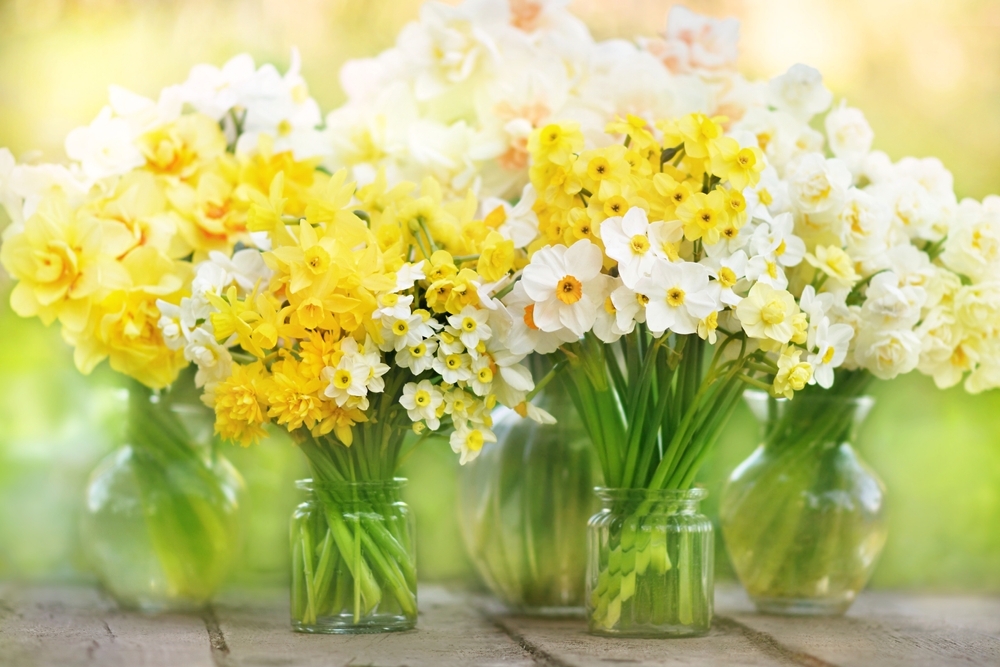
Daffodils never arrive quietly. Even when they’re planted in small groups, they somehow manage to look cheerful in a way that pulls attention immediately. Bright yellow, soft white, sometimes with pale orange centers, they carry that unmistakable early-spring energy that feels almost impossible to ignore.
They’re often one of the first flowers people associate with the season, and for good reason. Daffodils bloom right when winter fatigue is at its peak, when everyone is ready for color but the landscape still hasn’t fully caught up. That burst of yellow does a lot of emotional heavy lifting.
Symbolically, daffodils represent renewal, optimism, and fresh starts. Which honestly makes sense. They tend to show up right when people are craving all three. In floral arrangements, they instantly brighten a room without trying too hard. Even one bunch on a kitchen counter can make everything feel less gray.
Tulips - The Classic Spring Favorite
If crocus whispers and daffodils announce themselves, tulips settle in like they’ve been expected all along. They’re one of the most recognizable spring flowers, and somehow they never feel overdone.
Part of that comes from variety. Tulips can be simple or dramatic depending on color, shape, and arrangement style. Soft pink feels gentle. Red leans romantic. White looks clean and almost architectural. Purple has a richness that works beautifully in early spring when the season still carries a little chill.
Tulips are also one of the most requested spring flowers in Philadelphia once the season shifts. People ask for them because they feel familiar, but not boring. There’s movement in them too. They keep growing after they’re cut, bending toward light, changing shape in the vase. It gives arrangements a kind of life that feels slightly unpredictable, in a good way.
That may be why tulips never really lose their place. Every spring they come back, and every spring people seem genuinely happy to see them again.
Hyacinths - Fragrance That Feels Like Spring Itself
Some flowers catch your eye first. Hyacinths usually reach you by scent.
Before you even notice the shape of the bloom, there’s that fragrance, rich, sweet, unmistakably spring. It drifts farther than most flowers do, which is probably why hyacinths feel so memorable even in small arrangements. A few stems can fill a room without trying very hard.
Their clustered petals give them a fuller look than many early blooms, almost dense, almost sculpted. Purple is the color most people picture first, but hyacinths also bloom in pink, white, and soft blue, each one carrying a slightly different mood. Purple tends to feel classic, white feels clean and calm, while pink adds warmth without becoming too delicate.
They’re often chosen when someone wants spring flowers that do more than look pretty. Hyacinths create atmosphere. That matters, especially after winter, when people start wanting freshness in every corner of the house.
Forsythia and Flowering Branches - Spring Before the Garden Fully Wakes Up
Forsythia doesn’t behave like a typical flower, which is part of why it stands out so much this time of year. Long bare branches suddenly covered in sharp yellow blooms, often before leaves even appear. It looks dramatic in the best possible way, almost like spring arriving in one bold stroke.
These branches are often among the earliest signs that the season has actually turned. You’ll see them lining streets, bright against still-cold skies, sometimes before lawns have even greened up properly.
In floral design, forsythia adds height and movement that softer flowers can’t quite create on their own. A few branches in a vase make an entire arrangement feel architectural, almost effortless. They work especially well paired with tulips or daffodils because they bring structure while the softer blooms carry color lower down.
There’s something slightly wild about flowering branches, and maybe that’s why they feel so right in early spring. The season hasn’t fully settled yet, and neither have they.
When Peonies Begin to Appear
Peonies always arrive with a little anticipation around them. People ask for them before they’re fully in season, sometimes weeks early, because once peonies show up, spring suddenly feels established. Not tentative anymore. Real.
They bloom later than crocus, daffodils, or tulips, but they still belong to that spring conversation because no flower seems to signal the season quite like they do. Their petals are full, layered, almost oversized, and somehow soft enough to look effortless even when they completely dominate an arrangement.
Peonies are often linked to romance, prosperity, and celebration, which probably explains why they stay in such high demand. At many flower shops, they disappear fast when the season begins. And honestly, it makes sense. A single peony can change the whole character of a bouquet.
Not every florist carries them consistently because timing matters, but when they’re available, people notice. They ask for them by name.
Choosing Seasonal Flowers at the Right Time
Spring flowers don’t all arrive on the same schedule. One week it’s daffodils everywhere, the next week tulips take over, then suddenly peonies begin appearing and everything shifts again. That’s part of what makes seasonal flowers interesting. They move quickly, and if you wait too long, you miss certain moments entirely.
Choosing flowers in season usually means better freshness, stronger stems, and more natural color. Flowers tend to look the way they’re supposed to look when they’re arriving in their proper season, not forced, not rushed, just right.
A Philadelphia florist sees this rhythm clearly every year. Customers often come in asking what’s freshest right now rather than what was available two weeks ago, because spring changes fast here. Weather can speed things up or slow them down, sometimes both in the same week.
And maybe that unpredictability is part of why spring flowers feel so alive. You can’t fully control them. You catch them when they’re ready.
Spring Begins Quietly, Then All at Once
The first spring flowers never arrive in a dramatic wave. It starts with one bloom, then another, then suddenly the season is everywhere and winter feels far behind you.
That first round of color matters because it changes how people feel. Rooms look brighter. Streets feel softer. Even small bouquets seem to carry more energy this time of year.
Whether it’s crocus pushing through cold soil, tulips opening toward the light, or peonies finally making their appearance, each flower marks a different stage of spring settling in. And that’s part of the beauty of it. The season doesn’t appear all at once. It unfolds, slowly, then all at once, almost before you notice.